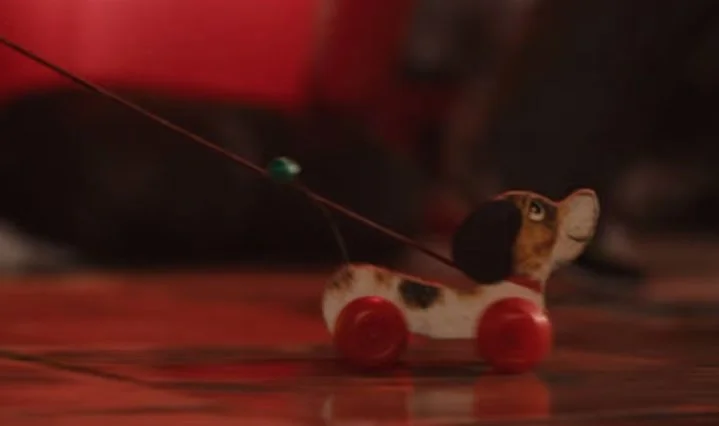
It happens every November without fail. The temperature drops a few degrees, Oxford street’s lights get turned on, and in the UK, we collectively pause to watch the latest John Lewis Christmas ad. Yet while the retail giant meticulously crafts its annual offering, the real spectacle unfolds in the digital town square.
Just minutes after the ad premiered, social media lit up with a frantic crossfire of instant reviews, hot takes, and cultural discourse. The tide of reactions spanning X, TikTok, YouTube, and digital forums demonstrates the annual release isn’t simply a marketing campaign, it’s a British cultural event that everyone feels compelled to take apart and share their views on.
What makes this year’s social chatter so fascinating is the variety of perspectives.
On one side, the sentimentalists were out in force. Viewers shared tear-emoji-laden posts praising the emotional core and highlighted moments that resonated with their own family dynamics. For them, the ad successfully tapped into the familiar holiday magic, sparking nostalgic threads about childhood memories and family traditions.
On the opposite end of the spectrum, the cynics, comics, and humourists quickly seized the narrative. TikTok creators immediately produced parodies, poking fun at the storyline's logic and the high-production drama. Over on X, quick-witted commentators weaponised memes to ask if a retail brand should still hold such a grip over our festive emotions.
Meanwhile, marketing professionals and copywriters analysed the structural narrative, discussing pacing, music choices, and brand alignment. On parenting and lifestyle forums, the conversation centred on broader social debates about modern gifting, generational gaps, and holiday pressure.
No matter whether people felt moved, underwhelmed, or amused, the vast amount of commentary points to one undeniable copywriting and content truth: audience engagement is everything. The annual John Lewis ad has mastered the art of fire-starting storytelling that prompts people to talk, debate, and share.
In an era of fragmented media, getting millions of people from completely different walks of life to stop and discuss the exact same three minutes of content is a rare feat. The ad itself may be forgotten by December 26th, but the lively social media discourse surrounding it remains the true festive tradition.